Stationery covers an unusually wide range of products, pens, notebooks, planners, greeting cards, desk accessories, gift sets, and each of these categories tends to have its own set of packaging conventions built around what actually protects and presents that specific item well. For a stationery brand trying to figure out which stationery packaging formats make sense for its product line, understanding the main options available, and what each one is genuinely suited for, makes the sourcing process considerably easier and helps avoid mismatches between product and packaging down the line.
Why Packaging Format Matters So Much in Stationery Specifically
Products Vary Widely in Shape, Fragility, and Use
Unlike categories with more uniform product dimensions, stationery spans everything from a single slim pen to a bulky, multi-item desk organization set. This variety means no single packaging format serves the entire category well, making it especially important for brands to match packaging choice to the specific product being packaged.
Presentation Carries Real Weight in Gifting-Heavy Purchases
A significant portion of stationery purchases, journals, pen sets, card collections, are bought as gifts, which raises the importance of presentation well beyond simple functional protection. Packaging format choices in this category often need to balance structural performance with a genuine unboxing experience.
Tactile Quality Reinforces the Product Category Itself
Stationery is a tactile product category, people handle paper, test pen grips, feel journal covers before deciding to buy. Packaging that ignores this tactile dimension misses an opportunity that's especially relevant here, making material and texture choices as important as visual design.
Common Stationery Packaging Formats and When to Use Them
Rigid Two-Piece Boxes
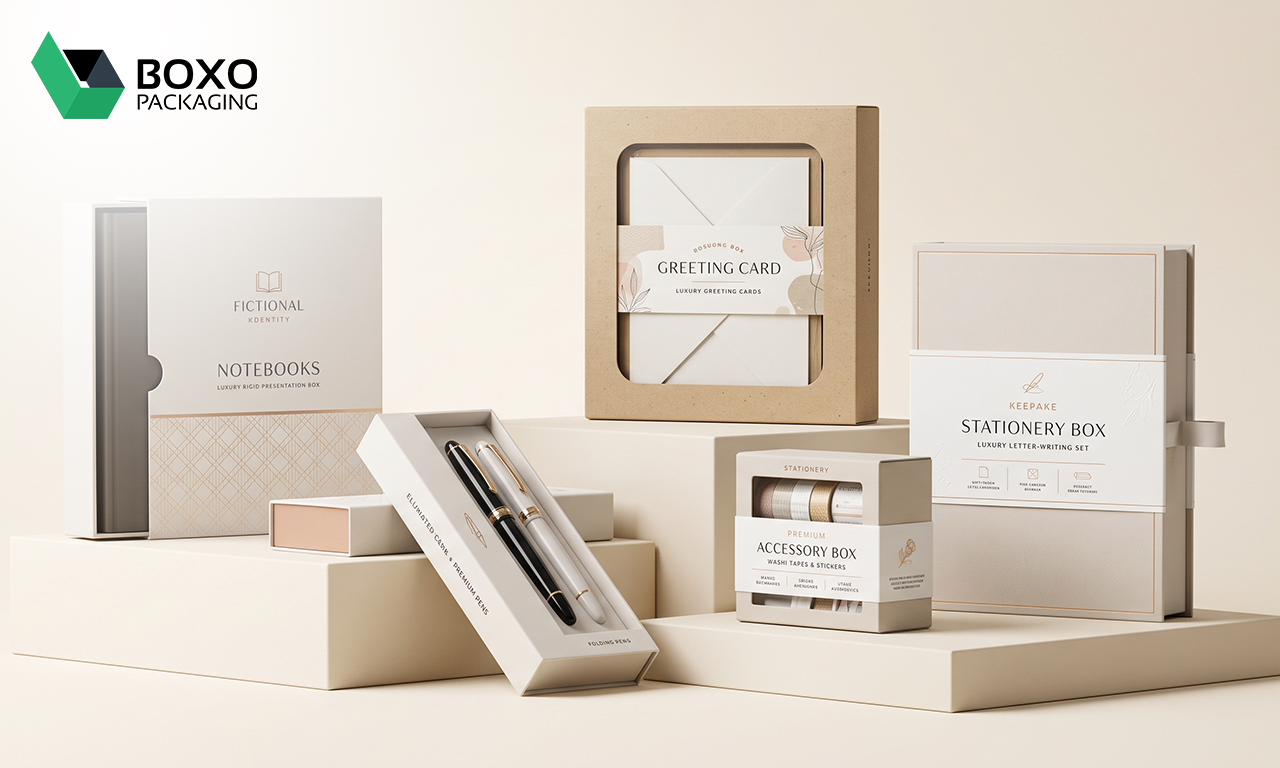
A base and separate lid, often used for premium pen sets, higher-end journals, or gift-focused stationery collections. This format offers strong structural protection and a deliberate, satisfying opening experience, making it well suited to higher-price-point products where presentation matters as much as protection.
Folding Cartons
A single-piece box that folds and locks into shape using tabs or glue, commonly used for notebooks, single pens, or simpler stationery items. Folding cartons are cost-effective and quick to produce, making them a practical default for mid-range products or higher-volume production runs where cost efficiency matters more than an elaborate unboxing sequence.
Kraft Sleeves and Wraps
A simple paper band or partial wrap, often used for individual notebooks, card sets, or minimalist product lines. This format works well for brands leaning into a natural, understated aesthetic, offering light branding surface area without the cost of a fully enclosed box.
Window Boxes
Boxes with a die-cut or plastic window revealing part of the product inside, useful for items where visual appeal is part of the sales pitch, decorative pens, patterned notebooks, or colorful card sets. This format lets the product do some of the selling work directly on the shelf.
Tube Packaging
A cylindrical format less common in stationery but occasionally used for rolled items like posters, certain art supplies, or specialty pen sets. Tubes offer distinctive shelf presence and strong protection for specific product shapes that don't suit a standard rectangular box well.
Multi-Compartment Trays
Used for stationery sets combining multiple items, a pen, a small notebook, a set of cards, where each component needs a fixed, secure position within a single outer package. This format prevents shifting and damage across mixed-item gift sets specifically.
Gift Boxes With Ribbon or Magnetic Closures
A more elevated presentation format used for premium or seasonal stationery gift sets, often combining rigid construction with a distinctive closure mechanism. This format carries higher production cost but delivers a strong premium impression suited to higher price points or special occasions.
Materials Worth Understanding Before Choosing a Format
Kraft Paperboard
Affordable, naturally textured, and associated with a considered, sustainable aesthetic. Well suited to a wide range of stationery formats but generally better for lighter, less fragile items unless a heavier grade is specifically chosen.
Rigid Board
Thicker, more structurally solid, typically used for premium boxes needing to hold their shape and protect higher-value contents. More expensive to produce than folding cartons but delivers a distinctly premium tactile impression.
Recycled and FSC-Certified Paperboard
Increasingly common across the stationery category given how closely stationery customers tend to align with broader sustainability values. Available in both kraft and coated white board options depending on the desired aesthetic.
Coated or Laminated Board
Offers a smoother, glossier finish suited to brands aiming for a more polished, contemporary aesthetic rather than a natural or rustic look. Generally costs more than uncoated kraft or standard paperboard.
Choosing the Right Packaging for Your Product Line
Match Format to Product Fragility First
Before considering aesthetics, confirm that a given packaging format actually protects the specific product adequately, fragile glass ink bottles or delicate paper goods need more structural consideration than a simple, sturdy pen.
Consider Your Actual Price Point
Premium rigid packaging makes sense for higher-priced products where the added cost is proportionate to the item's value, while lower-priced items are often better served by cost-effective folding cartons or kraft wraps that don't inflate the overall price unnecessarily.
Think About How the Product Will Actually Be Sold
Products sold primarily online may prioritize shipping durability over an elaborate window display, while products sold in retail settings may benefit more from formats that showcase the product visually on a shelf.
Plan for Consistency Across a Growing Product Line
Choosing packaging formats and materials that can scale across multiple products, rather than requiring a completely different system for every new item, simplifies sourcing and helps maintain a cohesive brand identity as a product line expands.
Always Request Physical Samples
Digital renderings can't fully capture how a specific material or format will perform structurally or feel in hand, testing a physical sample with the actual product inside remains the most reliable way to confirm a packaging choice before committing to a full production run.
Practical Tips for Sourcing Stationery Packaging
Start With Your Highest-Volume Product
Focusing initial packaging investment on the product that sells in the highest volume typically delivers the most impact for the effort involved, before expanding custom packaging to less frequently sold items.
Work With a Supplier Experienced in Stationery Specifically
Stationery has particular structural and presentation needs that differ from other product categories, working with a supplier familiar with this space tends to produce more reliable results than a generalist packaging provider unfamiliar with the category's specific requirements.
Balance Custom Branding With Realistic Order Volumes
Custom printing and specialty finishes often carry minimum order quantities that may not suit a smaller stationery brand's actual sales volume, it's worth discussing smaller batch options directly with suppliers rather than assuming large minimums are unavoidable.
The Bottom Line
Stationery packaging isn't a single, universal decision, it's a set of choices that need to be matched carefully to each specific product's fragility, price point, and intended sales channel. Understanding the range of formats available, rigid boxes, folding cartons, kraft wraps, window boxes, multi-compartment trays, gives brands the foundation needed to make informed packaging decisions across an often varied product line, ensuring every item, from a simple pen to a premium gift set, gets packaging that genuinely fits its specific needs.