Gift packaging does more than hold a present. It creates the first physical impression of what is inside, protects the product during handling, and gives the recipient a reason to remember the brand or occasion. For businesses selling candles, jewelry, cosmetics, chocolates, accessories, clothing, and specialty products, custom gift packaging boxes can turn an ordinary product into a more complete presentation.
The right gift box needs to balance appearance with practical performance. A beautiful box that allows the product to move around or become damaged is not effective, while a strong package with no attention to presentation may miss an opportunity to create a memorable customer experience. Custom packaging gives brands the flexibility to address both needs through size, structure, material, printing, inserts, finishing, and interior presentation.
Why Gift Packaging Needs Both Protection and Presentation
Gift products are often purchased for special occasions, which means customers may have higher expectations for how the package looks and feels. The packaging may be carried directly to a celebration, placed under a tree, presented at an event, or opened during an important personal moment. Because of this, the package becomes part of the experience rather than simply being discarded after the product is removed.
Protection remains equally important. Products can experience movement during shipping, pressure during stacking, and handling during delivery. Custom gift packaging boxes can be designed around the product's dimensions and fragility to provide appropriate support without creating unnecessary empty space.
Packaging Is the First Physical Impression
Before the recipient sees the actual product, they see the box. The material, color, printing, structure, and opening style can influence expectations about what is inside. A carefully designed package can communicate that the product was prepared with attention to detail.
Protection Supports Customer Satisfaction
A damaged product can quickly turn a positive purchase into a disappointing experience. Appropriate box construction, inserts, and internal spacing can help reduce unnecessary movement and provide a more secure environment for the product.
Custom Dimensions Create a Better Product Fit
One of the biggest advantages of custom gift packaging is the ability to build the box around the actual product. Standard packaging may be convenient, but it can leave excessive empty space or fail to accommodate unusual product shapes.
A custom box can be developed around the product's length, width, height, weight, and presentation requirements. This can make the package look more intentional while also helping control movement during handling.
Avoid Excessive Empty Space
An oversized gift box can make a small product appear lost inside the package. It may also require additional filler material and allow the product to shift during transportation. Right-sizing the package can create a cleaner presentation and improve packaging efficiency.
Avoid an Overly Tight Fit
The opposite problem can also create difficulties. A box that is too tight may make the product difficult to remove or place unnecessary pressure on delicate surfaces. The package should provide enough clearance for practical handling and appropriate protection.
Material Selection Shapes the Experience
The material used for a gift box influences both appearance and performance. Different products and brands may require different packaging materials, so there is no single material that works for every gift application.
Paperboard can provide a practical and customizable option for many products. Rigid board can create a more substantial premium feel, while kraft materials can support a natural or minimalist presentation. The appropriate choice depends on the product, brand positioning, budget, shipping requirements, and desired customer experience.
Kraft Gift Boxes
Kraft packaging can provide a warm, natural appearance that works particularly well for handmade products, candles, soaps, food gifts, and artisan brands. The visible paper texture can become part of the design instead of something that needs to be hidden.
Rigid Gift Boxes
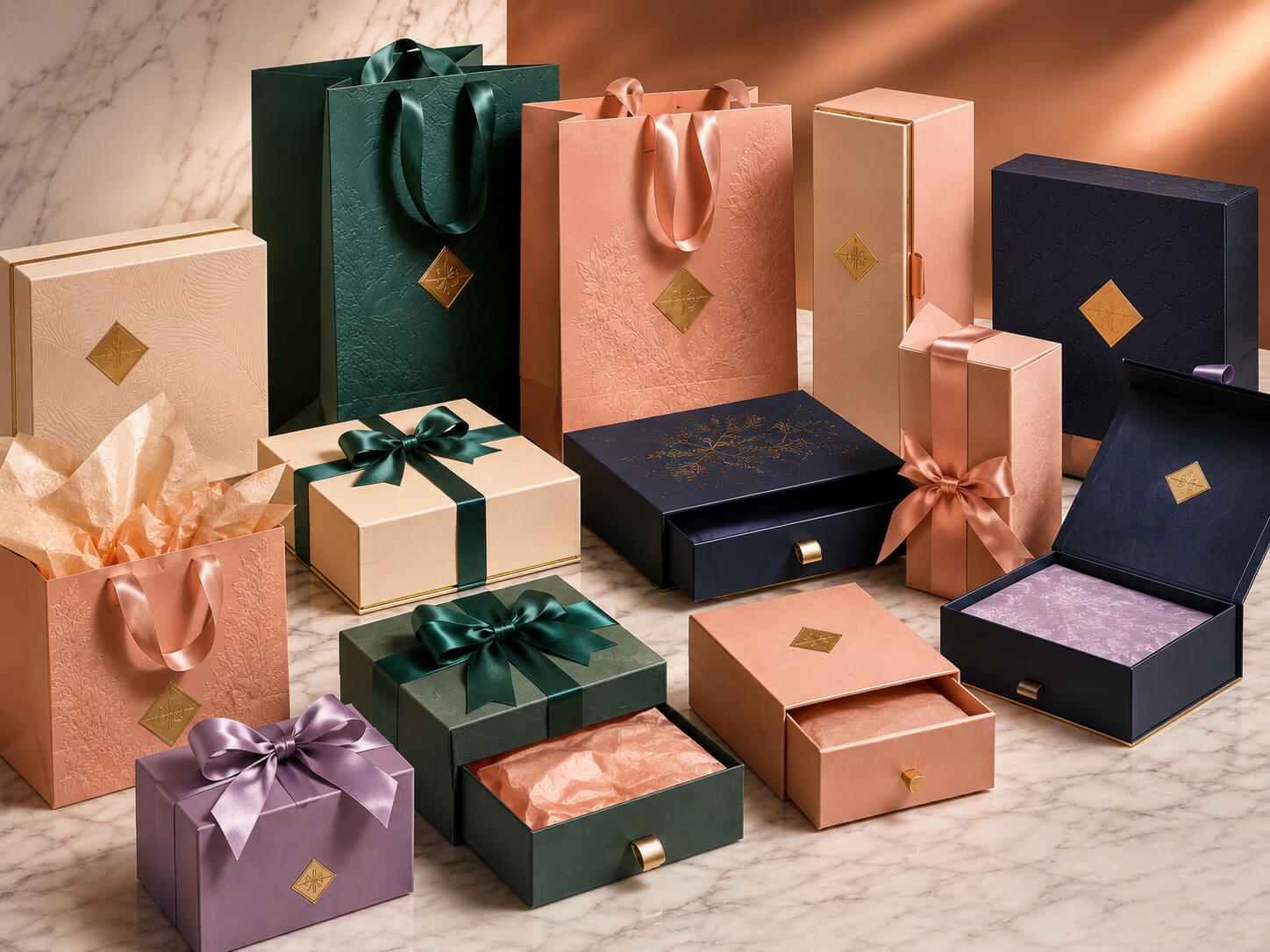
Rigid structures can provide a sturdy feel and are often used for premium products, jewelry, luxury accessories, and gift sets. Their substantial construction can make the packaging itself feel like part of the gift.
Paperboard Gift Boxes
Paperboard can provide flexibility in printing, structure, and sizing. It can work well for brands that need attractive retail packaging without necessarily using a heavy rigid structure.
Interior Inserts Can Protect Delicate Products
The outside of a gift box is only one part of the protection system. The interior may need to hold the product in position and prevent contact with the box walls.
Depending on the product, inserts may include paperboard supports, molded structures, foam, fabric, ribbons, trays, or other components. The right insert depends on the shape and fragility of the item.
Jewelry Packaging
Jewelry can benefit from specialized holders that keep necklaces, rings, bracelets, or earrings organized. A necklace, for example, may need support to prevent the chain from becoming tangled during handling.
Candle Gift Sets
Glass candle jars may require internal support to reduce movement and help separate the product from the box walls. The packaging should be evaluated according to the size, weight, and fragility of the candle container.
Cosmetic Gift Sets
Multiple cosmetic products can be organized using an insert that creates separate spaces for individual items. This can prevent bottles or containers from moving into one another during transportation.
Custom Printing Turns Boxes Into Brand Assets
A gift box can provide valuable space for brand communication. A logo, product name, pattern, website, or other design elements can make the package recognizable before the recipient opens it.
The most effective branding is usually consistent with the company's wider visual identity. Colors, typography, logo placement, and design elements can be carried across gift boxes, shopping bags, product labels, and other customer touchpoints.
Keep the Design Easy to Recognize
The package should communicate the brand without overwhelming the product. A carefully positioned logo can sometimes create a stronger impression than a surface covered with excessive graphics.
Build a Consistent Packaging Family
Brands selling multiple gift products can use a shared visual system across different box sizes. The structure may change according to the product, while the branding remains recognizable.
Finishing Options Can Add a Premium Detail
Custom gift packaging boxes can use finishing techniques to create visual or tactile differences. Depending on the material and production method, options may include embossing, debossing, foil stamping, matte surfaces, gloss finishes, specialty papers, or other treatments.
These features should be selected according to the brand and product rather than added simply because they are available.
Less Can Sometimes Be More
A clean box with quality material and restrained branding can look more sophisticated than a package containing too many effects. A single foil logo or subtle embossed detail may be enough to create distinction.
Windows Can Help Customers See the Product
A transparent window can allow customers to see what is inside without opening the package. This can be particularly useful for gift products where appearance influences the purchase decision.
Bakery gifts, chocolates, candles, cosmetics, and specialty products may benefit from product visibility depending on the presentation strategy.
However, windows also introduce additional material considerations. Brands should determine whether the feature provides enough value to justify its inclusion.
Gift Packaging Supports the Unboxing Experience
Opening a gift package is often an emotional part of the purchase. The customer may notice the exterior first, then the closure, interior, insert, and product arrangement.
Custom packaging can be designed to make this sequence feel organized and intentional.
A carefully positioned product, clean interior, and small branded detail can create a stronger experience without requiring excessive decoration.
Interior Branding Adds Another Touchpoint
A short message, logo, pattern, or printed detail inside the box can reinforce the brand after the package has been opened. This can be particularly effective for products purchased as gifts because the recipient may interact with the packaging even after the initial opening.
Consider How the Package Will Be Transported
A gift box may be handled several times before reaching the recipient. It can move through warehouses, shipping facilities, delivery vehicles, retail stores, and customer hands.
Packaging should therefore be evaluated under realistic conditions.
The gift box itself may not need to serve as the entire shipping container. A protective outer shipping box can be used when additional transportation protection is required.
Test for Movement
Place the actual product inside the box and move it under conditions similar to normal transportation. Check whether the product shifts, whether the closure remains secure, and whether the box maintains its shape.
Consider Stacking
If multiple gift boxes will be stored or transported together, evaluate their ability to withstand expected stacking pressure. The appropriate strength depends on the product and distribution environment.
Sustainability Is Becoming Part of Gift Packaging Decisions
Many brands are examining how their packaging choices affect material use and disposal. Paperboard and kraft packaging can be considered as part of a more responsible packaging strategy, but the entire package should be evaluated.
Consider the box, inserts, coatings, windows, ribbons, adhesives, and other components together.
Right-Sizing Can Reduce Material
A custom-sized package may help avoid unnecessary empty space and excess packaging. However, reducing material should not compromise the protection required for the product.
Be Careful With Environmental Claims
A package should not automatically be described as sustainable simply because it is brown, kraft, or paper-based. Environmental claims should reflect the actual material specifications and applicable end-of-life options.
Custom Gift Packaging Can Support Different Occasions
Gift packaging is often used across multiple seasons and occasions. A brand may sell products for birthdays, weddings, anniversaries, holidays, corporate gifting, and other events.
A flexible packaging system can help accommodate these different uses.
Seasonal Packaging
Businesses can create limited-edition artwork while keeping the basic box structure consistent. This can make seasonal products recognizable without requiring an entirely different packaging system.
Corporate Gifts
Corporate gift packaging may benefit from restrained branding and professional colors. The box can be designed to present multiple products together while maintaining a polished appearance.
Wholesale Ordering Requires Careful Planning
Brands that sell gift products regularly may purchase custom boxes in bulk. Larger orders can potentially reduce the unit cost, but businesses should calculate their expected packaging requirements before committing to a large quantity.
Consider current sales, seasonal demand, storage capacity, future product changes, and possible branding updates.
Ordering too many boxes can create unnecessary inventory, especially if a product is discontinued or the brand changes its identity.
Always Approve a Sample Before Production
A physical sample can reveal problems that are difficult to identify from artwork or digital mockups.
Place the actual product inside the sample and check the fit, insert, closure, dimensions, material, printing, and overall appearance.
Open and close the box several times. Transport it under realistic conditions and inspect the product afterward.
This process can help identify structural or presentation problems before they become expensive at full production quantities.
Choose a Packaging Supplier Carefully
The supplier you choose can influence the quality and consistency of the final packaging. Before placing an order, ask about customization, materials, printing, finishing, inserts, samples, minimum order quantities, production timelines, and quality-control procedures.
Clear specifications are especially important when ordering custom packaging because small differences in dimensions or materials can affect how the finished product performs.
A reliable supplier should be able to discuss the practical requirements of your product rather than focusing only on the appearance of the box.
Build Gift Packaging Around the Product
Custom gift packaging boxes work best when their design starts with the product rather than decoration.
Determine how the product needs to be protected, how it should be presented, how customers will open it, and where the package will be handled. Then choose the structure, material, insert, printing, and finishing that support those goals.
Boxo Packaging provides custom packaging solutions for brands looking to develop gift boxes around their product dimensions, branding, material preferences, presentation, and protection requirements.
A successful gift box should make the product feel secure before it is opened and memorable after it is revealed. When structure, materials, branding, and interior presentation work together, custom gift packaging boxes can protect the product while creating an experience that customers are more likely to appreciate and remember.